Over 15 million followers. That's the combined reach of the crypto leaders who keep hammering the same self-custody message across social media.
CZ from Binance. Brian Armstrong from Coinbase. Andreas Antonopoulos. Jameson Lopp. All driving home the same point: your keys, your crypto.
But why do they keep saying this? And what does it mean for your security setup?
What They've Been Saying
CZ keeps promoting Trust Wallet's self-custody features. In multiple tweets, he's been highlighting how Trust Wallet gives users direct access to meme tokens and prediction markets while keeping everything in self-custody. "TrustWallet is a self custody wallet. Nothing is stored on the server side," he explained to a user asking about server risks.
Brian Armstrong is doubling down on self-custody at Coinbase. The Coinbase CEO tweeted about the company's "Base App" (formerly Coinbase Wallet), calling self-custody and DeFi "key parts" of their economic freedom strategy. He's also said Coinbase may add a self-custody flow to the main Coinbase exchange app, calling it a "major architectural lift" but worth the effort.
Andreas Antonopoulos has been pushing his self-custody workshop. The Bitcoin educator reminded followers that "Not your keys, Not your coins" is "again relevant" after another exchange meltdown.
Jameson Lopp highlighted Bitcoin's security advantages. The Casa CTO pointed out that "Bitcoin is programmable money" which lets users "construct security models for self custody that vastly exceed what can be achieved with any other asset class."
Why This Matters
When the biggest names in crypto all keep pushing the same message, pay attention.
These aren't random influencers. CZ built the world's largest crypto exchange. Armstrong runs the biggest US crypto platform. Antonopoulos literally wrote the book on Bitcoin. Lopp is a legendary security expert.
They're seeing something that's making them emphasize self-custody more than usual.
What This Means For You
The message is clear: even the people running centralized platforms think you should control your own keys.
Think about that. The CEO of Coinbase, which makes money when you keep crypto on their platform, is doubling down on self-custody and even talking about bringing it to the main Coinbase exchange app. That tells you everything about where this industry is heading.
Your exchange account isn't your wallet. It's someone else's wallet with your name on some database entries. Those database entries can disappear. Self-custody fixes this, as Lopp puts it.
What You Should Do
Start planning your move to self-custody if you haven't already.
You don't need to do it all at once. Start small. Get a hardware wallet. Practice with a small amount first. Learn how seed phrase storage works and understand why backing up your wallet is non-negotiable.
Your seed phrase is your master key. Lose it, lose everything. Write it down properly. Store it securely. Then store it again somewhere else. Redundancy is your friend.
Don't rush into complex setups. Self-custody 101 covers the basics you need to know first. Once you understand those, you can explore cold storage options that fit your situation.
The Bigger Picture
This self-custody push isn't happening in a vacuum.
We've seen exchange collapses. Regulatory pressure. Governments trying to control crypto. The smart money is moving toward solutions that can't be shut down or seized.
As Lopp noted, Bitcoin's programmability means "for a few hundred dollars you can achieve greater security than Fort Knox." That's not hyperbole. That's the power of proper self-custody.
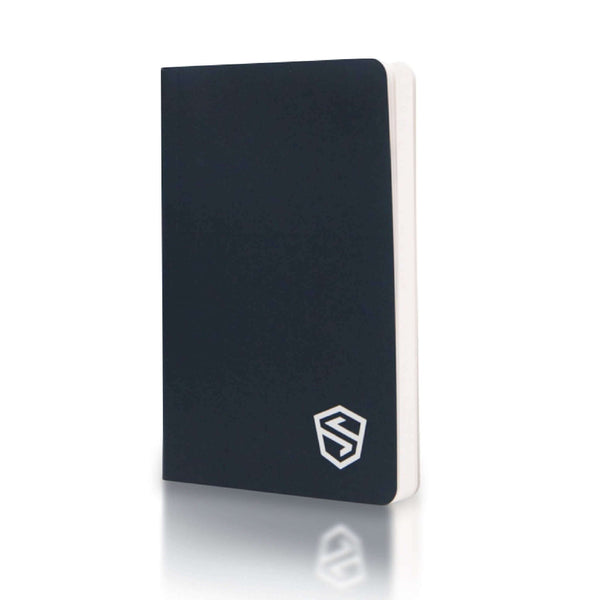
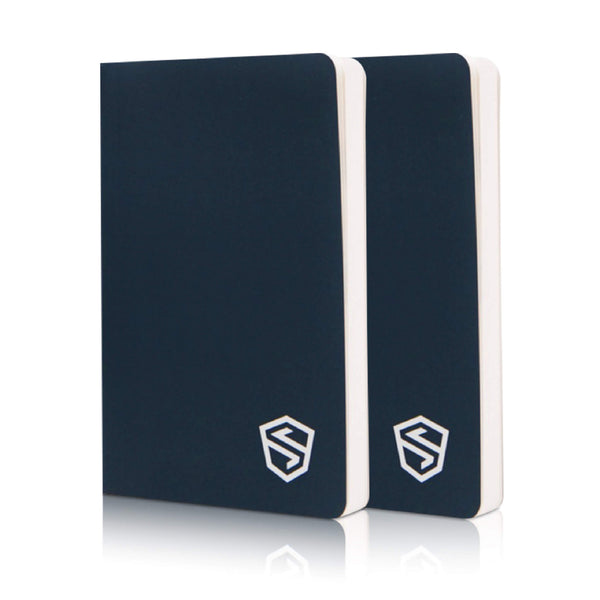
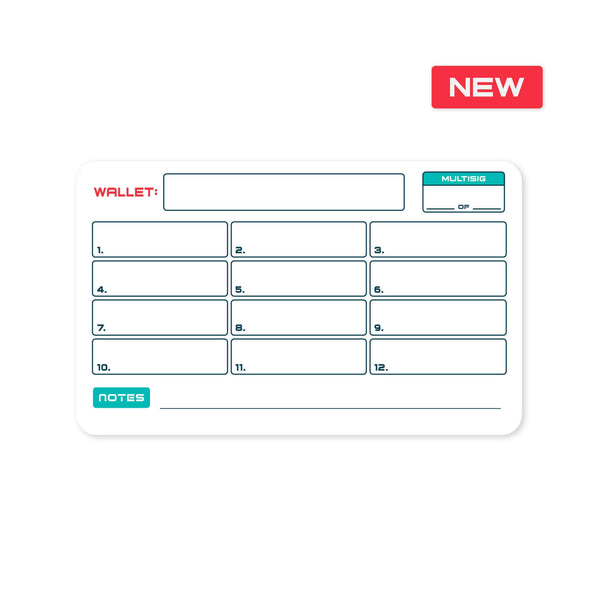
But it requires education. Antonopoulos has been pushing his workshops because "self custody is hard to do" correctly. The tools are getting better, but you still need to understand the basics. If you're going the physical backup route, the Shieldfolio Stonebook is built specifically for storing seed phrases offline on waterproof, tear-resistant stone paper.
FAQ
Is self-custody really safer than exchanges?
Yes, when done properly. Exchanges are single points of failure that can be hacked, shut down, or frozen. With self-custody, you control your keys and no one else can access your crypto. However, this also means you're responsible for security, so proper backup strategies are critical.
What's the biggest mistake people make with self-custody?
Not backing up their seed phrases properly. Your seed phrase is your only way to recover your wallet if your hardware fails. Many people write it down once and think they're done, but that single copy can be lost, damaged, or stolen.
How much crypto should I keep in self-custody?
Start with what you can afford to lose while you're learning. Once you're comfortable with the process, consider the rule many experts follow: only keep on exchanges what you plan to trade actively. Everything else should be in self-custody.
Do I need a hardware wallet for self-custody?
Hardware wallets are the gold standard for security, but you can start with a mobile wallet like Trust Wallet that CZ mentioned. The key is that YOU control the seed phrase, not the wallet provider. Check our guide on what is a hardware wallet to understand your options.
What if I lose my seed phrase?
If you lose your seed phrase and your device breaks, your crypto is gone forever. This is why proper storage is so important. Consider multiple backups stored in different secure locations. Never store your seed phrase digitally or take photos of it.
How do I know if a wallet is truly self-custody?
You control the seed phrase. If the wallet provider can reset your password or recover your account without your seed phrase, it's not true self-custody. True self-custody means only you have access to your keys.
Should I use multisig for self-custody?
Multisig can add security but also complexity. Start with single-signature self-custody and consider multisig as you become more advanced.
Sources
All information in this post comes from verified social media accounts: